why
cosmology?
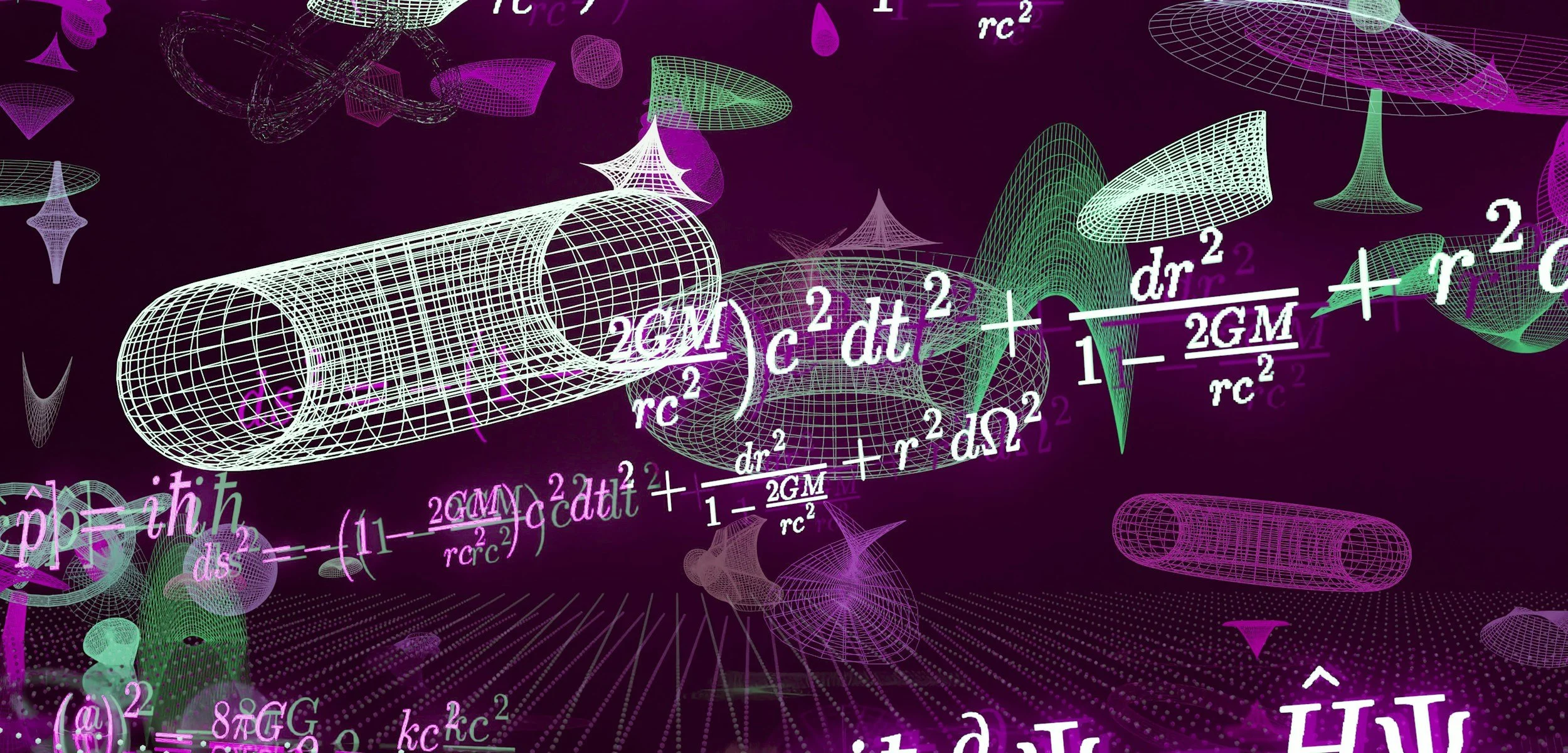
I am driven to explore the early epochs and evolution of our universe to better explain why what we observe looks the way it does. I am interested in understanding the physical processes that shape our Universe and how they are encoded in the signals we observe.
In particular, I work with simulations and computational methods to connect models of cosmic evolution with current and future astronomical observations.
Research Interests
EARLY STRUCTURE FORMATION
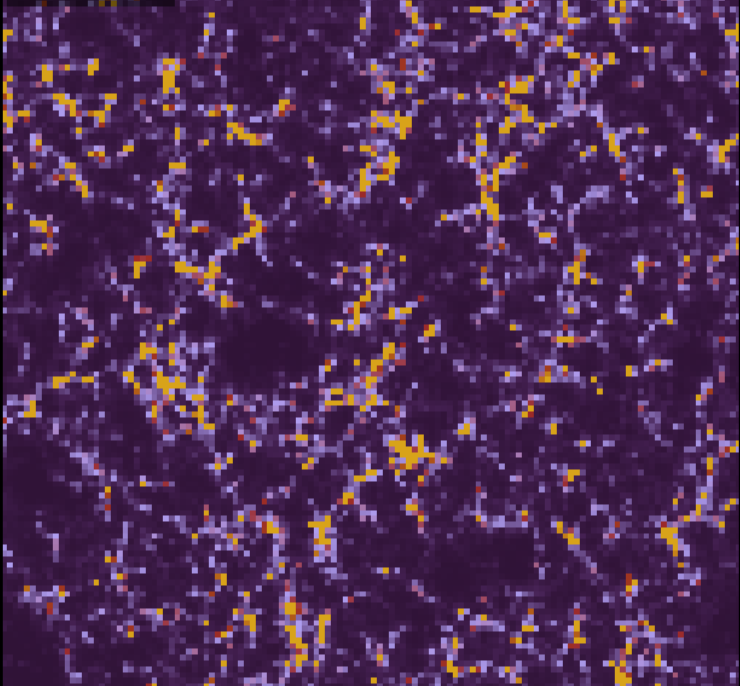
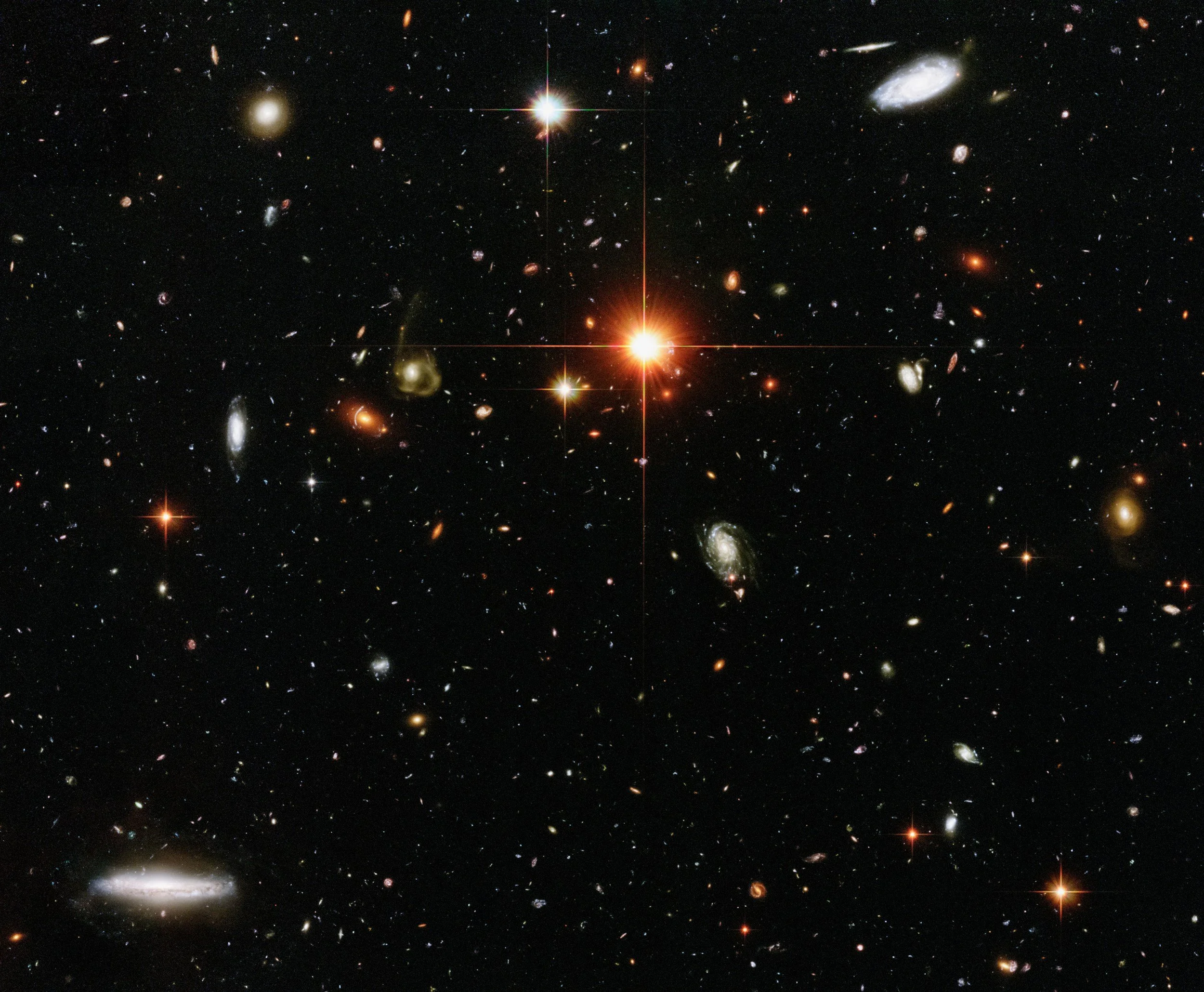
The early Universe evolved from an almost uniform distribution of matter into the complex structures we observe today.
But how did the first stars and galaxies emerge within this growing cosmic web and shape the Universe around them?
Cosmological Signals
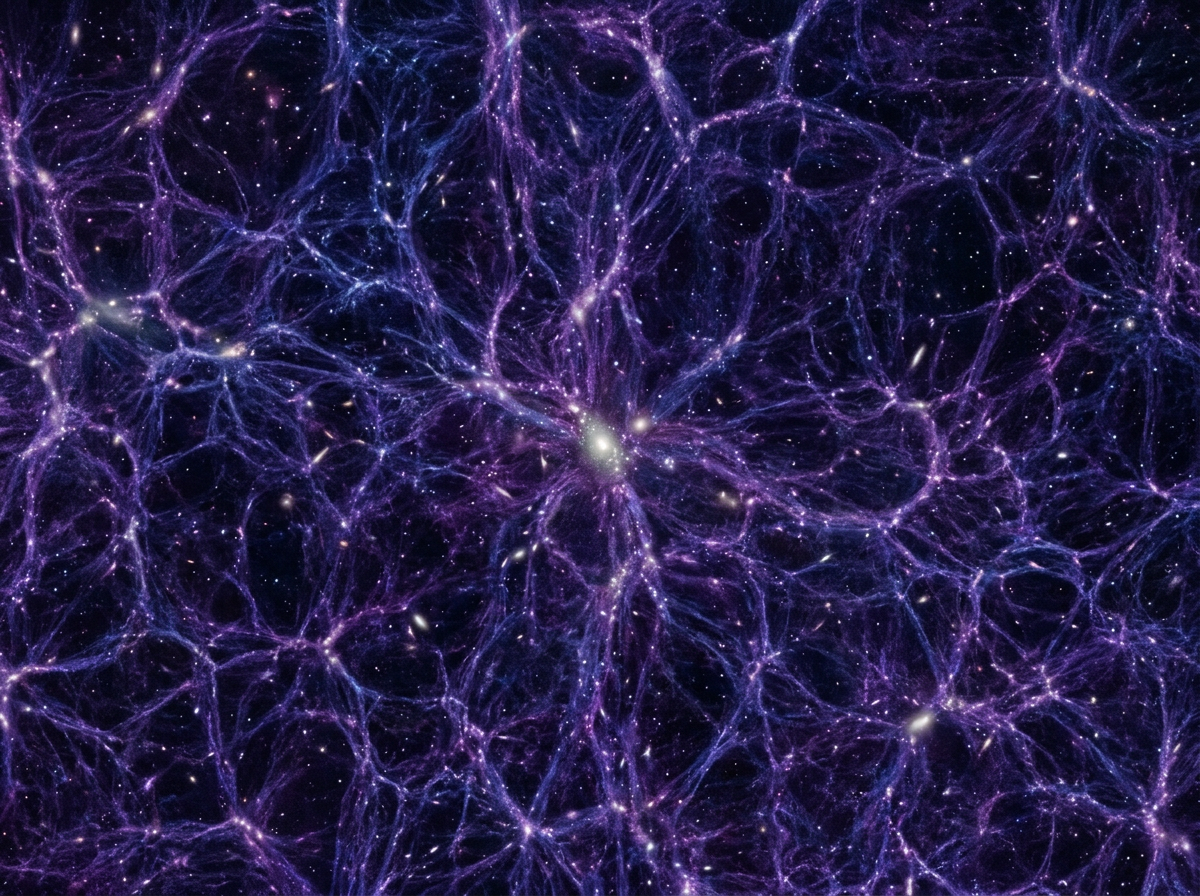
We can trace the first stars and galaxies through the radiation they emitted and their imprint on the matter around them. Signals such as emission lines and the 21 cm line allow us to map otherwise unseen structure, revealing the filaments and nodes of the evolving cosmic web.
But how are physical processes encoded in signals such as the 21 cm line and line-intensity maps, and what can these signals tell us about cosmic history?
Computational Cosmology & AI
Modern simulations allow us to move beyond equations alone and model how complex cosmic systems evolve over billions of years. Combined with statistical inference and rapidly developing machine-learning methods, these models offer new ways of connecting theoretical physics with increasingly complex astronomical observations.
I therefore develop and investigate how simulations, statistical inference, and machine learning can help us extract physical information from increasingly complex astronomical datasets.
PAST RESEARCH PROJECTS
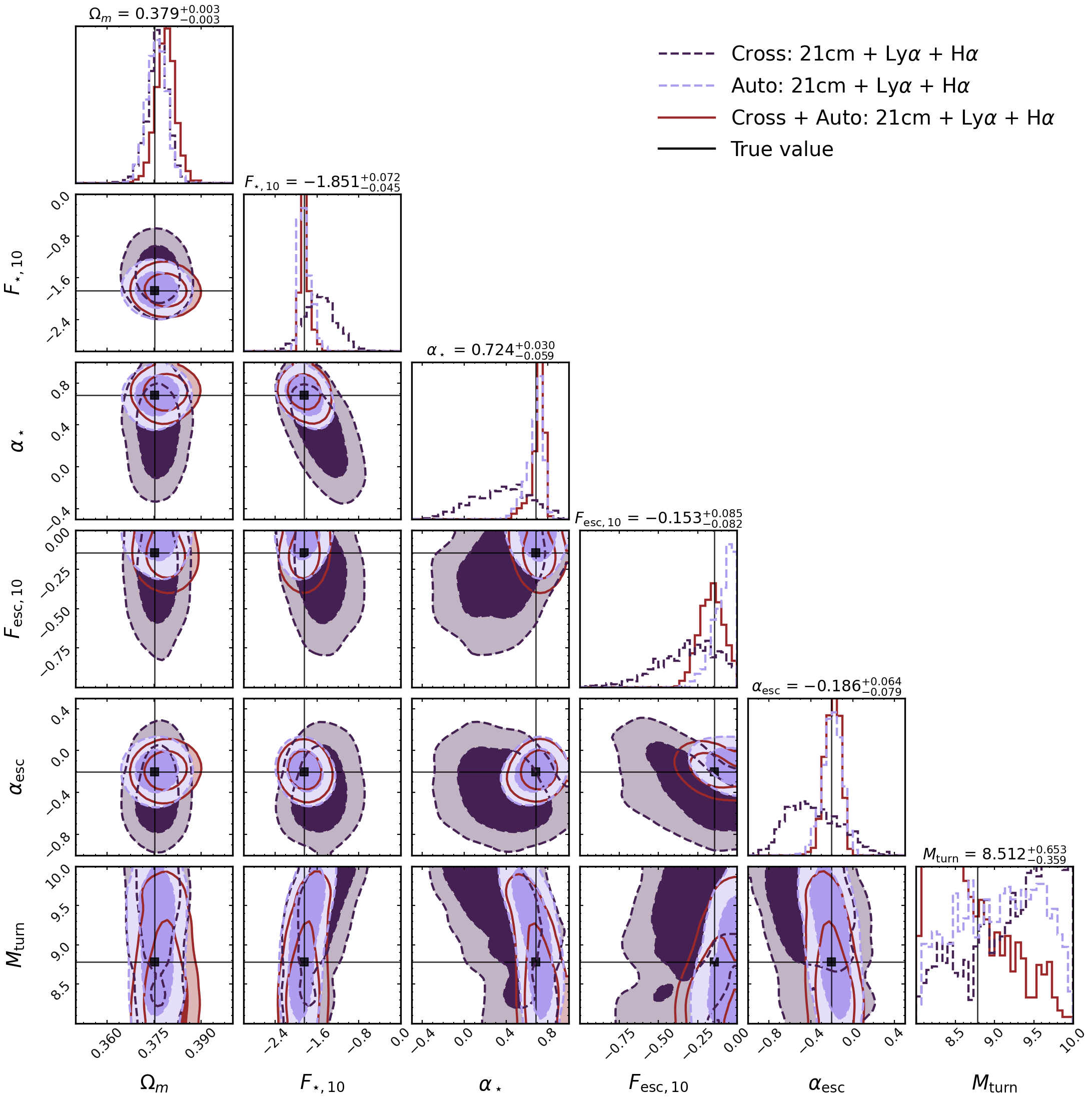
Jointly Constraining Cosmological and Astrophysical Parameters using Cross-Correlated 21cm and Line-Intensity Maps
Written together with Caroline Heneka & Björn Malte Schäfer
Masters Thesis
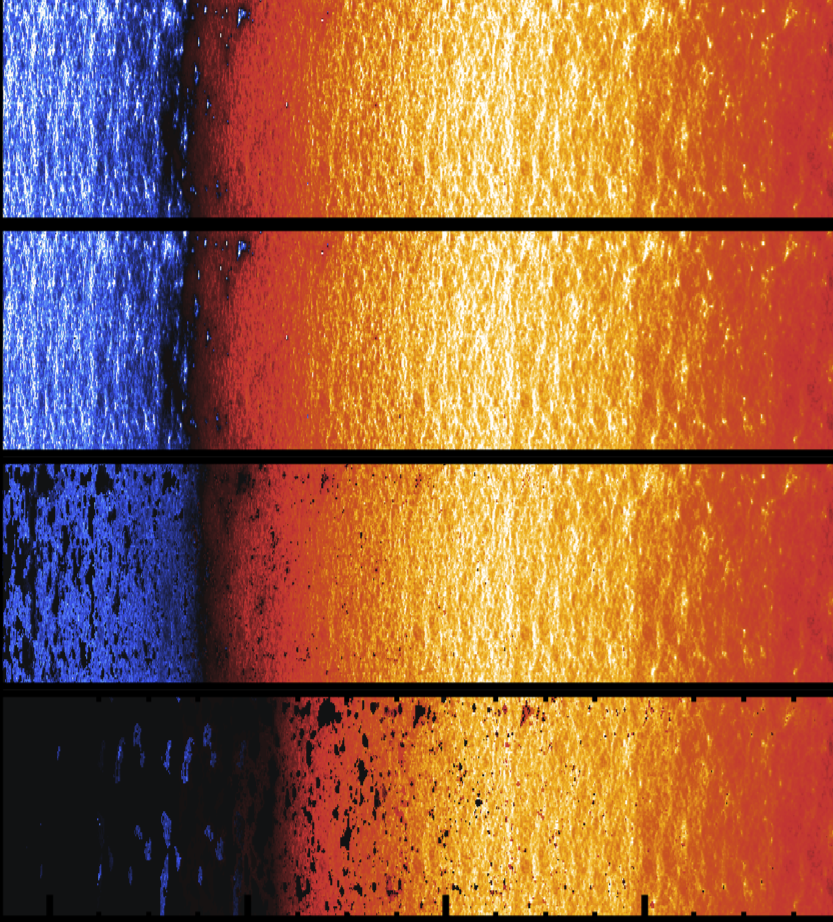
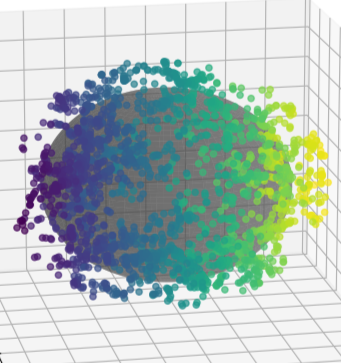
Fiber Assignment for High Redshift LBG-U and LBG-G Objects Explored Using Overlap Techniques
Written together with Martin Sahlén
Bachelor Thesis
Simulation Studies of the Connection between Cosmic Void Evolution and Star Formation
Written together with Jean-Paul Kneib
Access upon request
Interested in working together?